


Navigating your skincare routine while expecting can feel overwhelming, especially when you are trying to determine if is vitamin c serum safe during pregnancy. Many expectant mothers worry about which topical products might cross the placental barrier or affect their developing baby.
Fortunately, dermatologists generally consider vitamin C to be a stable, effective, and safe addition to your daily regimen. Understanding why this powerhouse antioxidant is widely recommended can help you maintain a glowing complexion while prioritizing your health and safety.
Understanding the Safety of Vitamin C in Skincare
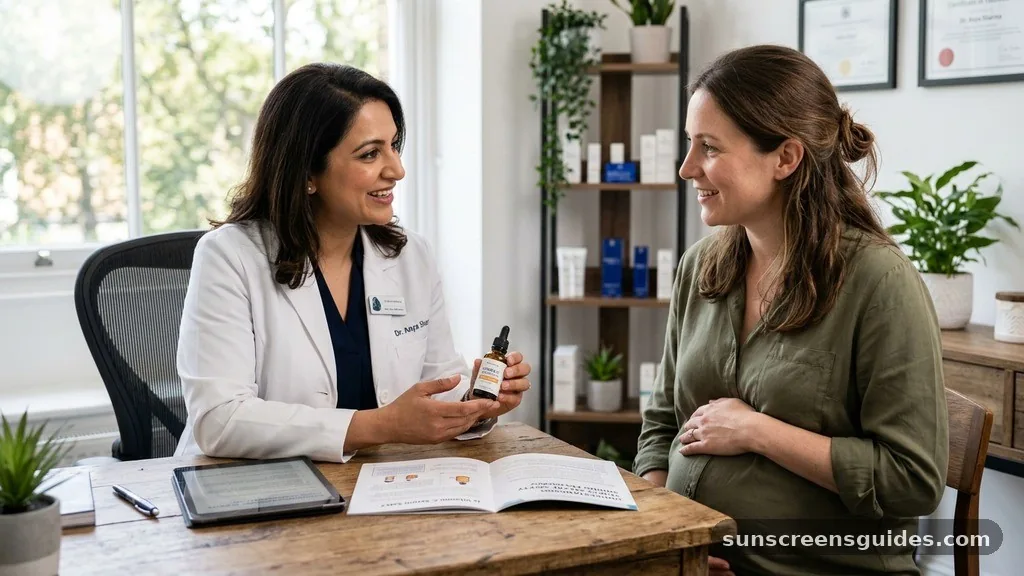
The primary reason experts confirm that is vitamin c serum safe during pregnancy is that it is a water-soluble vitamin that the body does not absorb into the bloodstream in significant amounts when applied topically. Unlike some ingredients that penetrate deep into the dermis or systemic circulation, L-ascorbic acid remains largely localized within the skin’s top layers. This makes it a fantastic tool for addressing common pregnancy-related skin concerns like dullness and uneven tone.
Because pregnancy often triggers hormonal shifts that lead to melasma or “the mask of pregnancy,” you might be looking for ways to brighten your complexion safely. Vitamin C is a potent antioxidant that helps neutralize free radicals caused by UV exposure and pollution. By incorporating this into your prenatal skincare routine, you support collagen production and protect your skin’s barrier without the risks associated with more aggressive chemical treatments.
Skincare Ingredients to Avoid During Pregnancy
While you feel confident knowing that is vitamin c serum safe during pregnancy, it is equally vital to identify which components you should pause using until after delivery. Pregnancy hormones increase skin sensitivity, and certain compounds are linked to developmental risks or systemic absorption. You should generally avoid the following common skincare ingredients:
- Retinol and Retinoids: These vitamin A derivatives are strictly off-limits due to their potential link to birth defects.
- Salicylic Acid (High Concentrations): While low-dose spot treatments are sometimes debated, high-strength peels or oral forms should be avoided.
- Hydroquinone: This skin-lightening agent has a high absorption rate and is not recommended for use during gestation.
- Phthalates and Parabens: These common preservatives are often classified as endocrine disruptors and are best avoided in your daily products.
- Tetracyclines: These are often found in prescription acne treatments and can interfere with fetal bone development.
The Role of Vitamin C in Managing Hyperpigmentation
One of the most persistent issues expectant mothers face is hyperpigmentation. Hormones drive melanocyte activity, often resulting in dark patches on the forehead, cheeks, and upper lip.
Because you cannot use harsh bleaching agents like hydroquinone, finding a gentle alternative is crucial. Vitamin C works by inhibiting the enzyme tyrosinase, which is responsible for melanin production.
Consistency is key when using these serums. By applying a stable formula every morning, you provide your skin with a steady supply of antioxidants that fight oxidative stress.
This approach is not only effective for brightening but also helps strengthen the skin’s structure. Unlike some active ingredients that cause irritation, high-quality vitamin C serums are usually well-tolerated even by those experiencing the heightened skin sensitivity common in the first and second trimesters.
Comparing Pregnancy-Safe Antioxidants
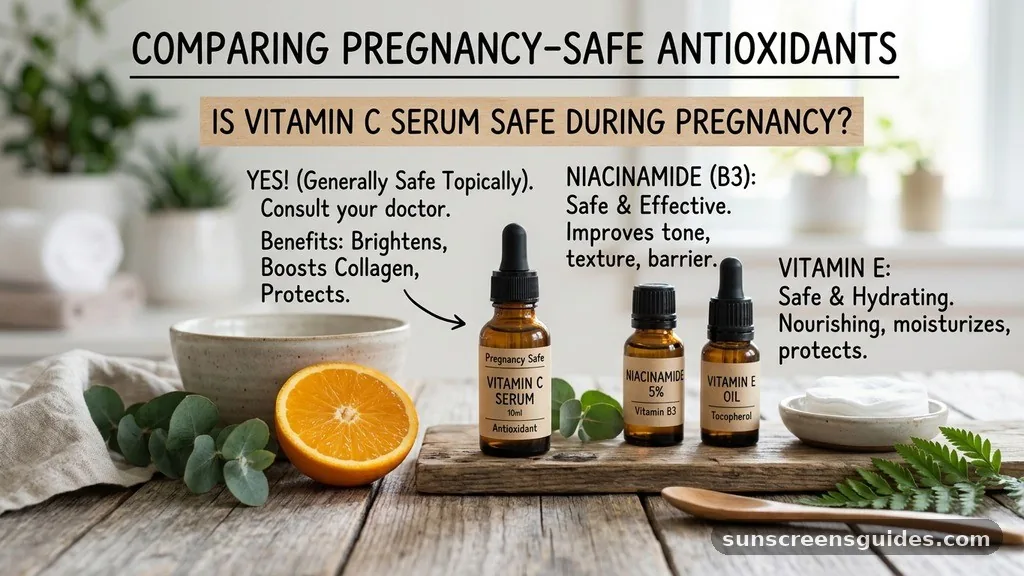
When evaluating your options, it helps to see how various ingredients stack up against one another in terms of safety and efficacy. The table below highlights why vitamin C remains a top choice for expecting parents compared to other common actives.
| Ingredient | Safety Profile | Primary Benefit |
|---|---|---|
| L-Ascorbic Acid | Generally Safe | Brightening & Collagen Support |
| Retinoids | Avoid | Anti-Aging/Acne |
| Niacinamide | Generally Safe | Barrier Repair & Inflammation |
| Hydroquinone | Avoid | Pigment Correction |
| Salicylic Acid | Use with Caution | Exfoliation/Acne |
Addressing Topical Absorption and Safety Gaps
A common concern involves whether molecules like L-ascorbic acid can reach the fetus. To address this, we must look at dermatological safety studies regarding molecular weight and skin barrier function.
Most vitamin C molecules are relatively large, and when formulated correctly, they stay within the epidermis. The risk of systemic uptake is virtually non-existent, meaning your baby is not exposed to the serum you apply to your face.
Some users wonder if they should adjust their usage during trimester-specific care. While there is no medical evidence suggesting you need to stop vitamin C at any point, your skin’s needs might change.
In the first trimester, you may experience increased oil production, while the third trimester might bring dryness or increased sensitivity. You can safely keep using your serum throughout all nine months, provided you pair it with a physical-barrier sunscreen.
How to Integrate Vitamin C into Your Daily Routine
If you want to maximize the benefits of your serum, follow a simple, structured approach. Start by cleansing your face with a mild, fragrance-free cleanser to remove impurities.
Apply your vitamin C serum while your skin is slightly damp to enhance absorption. Follow this with a pregnancy-safe moisturizer to lock in hydration.
The most important step in any prenatal skincare routine is the application of sunscreen. Vitamin C works synergistically with SPF to shield your skin from UV-induced damage, which is a major trigger for pregnancy-related melasma. Look for mineral-based sunscreens containing zinc oxide or titanium dioxide, as these sit on top of the skin and are widely regarded as the safest options for expectant mothers.
FAQ: Is Vitamin C Serum Safe During Pregnancy
Is vitamin c serum safe during pregnancy for all skin types?
Yes, it is generally safe for all skin types, though those with sensitive skin should start with lower concentrations.
Should I avoid specific forms of vitamin C while expecting?
L-ascorbic acid is the most studied form, but derivatives like magnesium ascorbyl phosphate are also considered safe and gentle.
Does vitamin C interact with other pregnancy-safe ingredients?
It works well with niacinamide and hyaluronic acid, but avoid mixing it with strong acids like glycolic or salicylic acid.
Can I use vitamin C serum to prevent pregnancy mask?
It helps manage pigment, but consistent sun protection is the most effective way to prevent or minimize pregnancy mask.
Are there any side effects of using vitamin C while pregnant?
Most people experience no side effects, though minor tingling can occur if the product’s pH is very low.
Is it better to use vitamin C in the morning or night?
Morning is best, as it provides antioxidant protection against environmental stressors you encounter throughout the day.
How long does it take to see results from vitamin C?
With daily use, you will likely notice brighter skin within four to six weeks of consistent application.
Final Considerations for Your Skincare Journey
Determining that is vitamin c serum safe during pregnancy is a weight off the shoulders of many who want to maintain their beauty routine. By choosing high-quality, stable formulations, you can effectively manage skin changes without compromising your health or the safety of your baby. Always check the full ingredient list for hidden additives like parabens or synthetic fragrances, which are best avoided during this time.
If you remain uncertain about a specific brand or concentration, your OB-GYN or a board-certified dermatologist can provide personalized guidance tailored to your skin’s specific needs. Transitioning to a clean, antioxidant-rich routine is a positive step toward feeling your best throughout your pregnancy. We encourage you to consult with your healthcare provider if you have underlying skin conditions and enjoy your journey toward a healthy, radiant glow.



