


Incorporating a retinoid into your nightly regimen can feel intimidating, but learning how to use CeraVe retinol serum properly makes the transition much smoother. By focusing on consistency and gentle application, you can target fine lines and texture while keeping your skin barrier healthy. This approach helps you avoid irritation while maximizing the benefits of the formula’s active ingredients.
Whether you are addressing post-acne marks or early signs of aging, this routine provides the structure you need for visible results. Proper preparation and a steady pace are the real secrets to achieving a smoother, more radiant complexion without compromising your skin’s natural balance.
Understanding the Role of Encapsulated Retinol
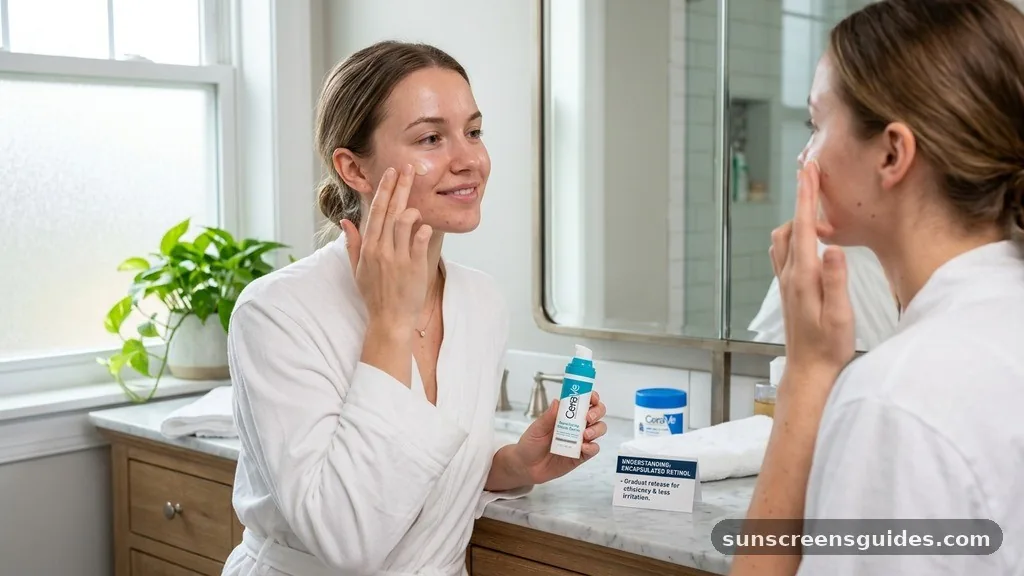
When you decide to start using this product, it is helpful to understand why the formula feels different from traditional retinoids. CeraVe relies on encapsulated retinol, which allows the active ingredient to be released slowly into the skin over time.
This controlled delivery mechanism is significantly gentler than standard formulations, reducing the likelihood of the redness or flaking that often discourages beginners. By buffering the impact of the retinol, the product becomes more accessible for those with sensitive skin who might otherwise struggle to tolerate such a potent resurfacing agent.
The science behind this delivery system focuses on protecting the integrity of the retinol while it sits on your shelf and after you apply it to your face. Because retinol is naturally unstable and can break down when exposed to light or air, the encapsulation process keeps it potent until it reaches the deeper layers of the epidermis.
Once applied, the slow release ensures that your skin isn’t hit with a massive dose all at once. This steady, consistent exposure is exactly what your skin needs to jumpstart collagen production and cell turnover without triggering a strong inflammatory response.
Building Your Nighttime Skincare Routine
Integrating this resurfacing serum into your nighttime skincare routine requires a strategic order of operations to ensure safety and effectiveness. Because retinol increases cell turnover, it is best applied when your skin is in recovery mode during sleep.
Start your evening by cleansing your face with a mild, non-comedogenic cleanser to remove the day’s impurities. You want a clean canvas, but you don’t want to strip away your natural oils, as this can make your skin more prone to irritation once the active treatment is applied.
Once your skin is clean and slightly damp, wait for it to dry completely. Applying retinol to damp skin can actually increase penetration, which might lead to irritation if your skin isn’t accustomed to the strength of the formula. Apply a small, pea-sized amount of the serum to your fingertips and gently smooth it over your face, avoiding the delicate eye area and lips.
After the serum has had a minute or two to absorb, follow up with a high-quality moisturizer. This layering technique is often referred to as buffering, and it acts as a secondary shield for your moisture barrier.
- Cleanse with a gentle, non-stripping cleanser.
- Ensure your skin is fully dry to prevent rapid absorption.
- Apply a thin, pea-sized layer of the serum to the entire face.
- Follow up with a fragrance-free moisturizer to lock in hydration.
- Always prioritize sun protection the following morning.
Prioritizing Skin Barrier Health with Key Ingredients

The brilliance of this particular product lies in the inclusion of ceramides, niacinamide, and licorice root extract. These ingredients work in tandem to support your skin barrier while the retinol does its heavy lifting.
Ceramides are lipids that naturally exist in your skin, acting as the mortar between your skin cells to keep moisture in and irritants out. When you add a harsh active like retinol, these ceramides become your best defense against the dreaded dryness that so many users worry about.
Niacinamide is another star player here, known for its ability to soothe inflammation and brighten the complexion. It pairs perfectly with retinol because it helps mitigate the irritation that sometimes accompanies cell turnover. Meanwhile, licorice root extract adds a layer of gentle brightening, which is particularly helpful if you are using this serum to fade dark spots or post-acne marks.
This combination of ingredients ensures that you aren’t just peeling away old skin; you are actively nourishing and protecting the new skin that is coming to the surface. It is a thoughtful, derm-developed approach that prioritizes long-term health over immediate, aggressive results.
| Ingredient | Primary Function | Benefit to User |
|---|---|---|
| Encapsulated Retinol | Cell turnover | Reduces fine lines and texture |
| Ceramides | Barrier restoration | Prevents moisture loss and irritation |
| Niacinamide | Soothing | Calms redness and improves tone |
| Licorice Root | Brightening | Helps fade dark spots |
Managing Expectations and Potential Side Effects
It is common to experience a period of adjustment known as skin purging when you first start using a retinoid. During this phase, your skin’s accelerated turnover rate can bring underlying congestion to the surface, which might look like a temporary breakout. Do not panic if this happens.
It is usually a sign that the product is working, not that you are having an allergic reaction. Stick to your routine and keep your skin hydrated, but if the irritation becomes painful or excessive, reduce your frequency of application to every other night or even every third night.
Patch testing is a non-negotiable step for anyone with a history of sensitivity. Before slathering the serum all over your face, apply a tiny amount to your jawline or behind your ear and observe the area for 24 hours. If you don’t see any redness or itching, you are likely safe to proceed.
Remember that consistency is better than intensity. You do not need to use a large amount of product for it to be effective; a thin layer is sufficient.
Over-applying will only increase your risk of peeling without providing any additional benefits. If you find your skin is still struggling, consider using the “sandwich method,” where you apply a thin layer of moisturizer before the serum and another layer after.
Addressing Common Topical Gaps
Many users wonder if they can use other acids, like AHAs or BHAs, alongside this serum. Generally, it is best to avoid layering exfoliating acids with retinol in the same session to prevent over-exfoliation. If you want to use both, alternate them on different nights.
Another common question involves the timing of moisturizer application. Yes, you should absolutely use a moisturizer after your serum; in fact, it is critical for preventing the dryness that retinol can cause.
Finally, always remember that retinol makes your skin more sensitive to UV rays. Even if it is cloudy, wearing a broad-spectrum sunscreen every single day is mandatory when you are using any retinol product to prevent hyperpigmentation and sun damage.
Summary and Next Steps
Using CeraVe retinol serum is all about patience and protecting your skin’s natural balance. By starting slowly, layering with moisture-rich products, and being diligent with your morning sunscreen, you allow your skin to benefit from the resurfacing properties of the serum without the discomfort of harsh irritation. Listen to your complexion—it will tell you if you need to slow down or if you are ready for more frequent use.
As your skin adjusts, you will likely notice a smoother, more refined texture and a brighter overall appearance. Stick with this routine for at least 8 to 12 weeks to see significant, lasting changes in your skin’s tone and clarity. Consistency is the most important factor in your success.
Do I use the serum before or after moisturizer?
Apply the serum to clean, dry skin, then follow with a moisturizer to seal in hydration effectively.
Can I use this product every day?
Start by using it two or three times a week, gradually increasing frequency as your skin builds tolerance.
Is it safe for sensitive skin?
Yes, the encapsulated formula and added ceramides make it significantly gentler than many other retinol-based treatment options.
What should I avoid mixing with this serum?
Avoid using strong chemical exfoliants like AHAs or BHAs during the same application to prevent skin barrier damage.
Why is my skin breaking out after starting?
This is likely skin purging, a temporary process where the serum accelerates cell turnover to clear out pores.
Do I really need sunscreen while using this?
Absolutely, because retinoids increase your skin’s sensitivity to UV radiation, which can lead to premature sun damage.
How much product should I apply?
Use only a pea-sized amount for your entire face; using more will increase irritation without improving your results.



