

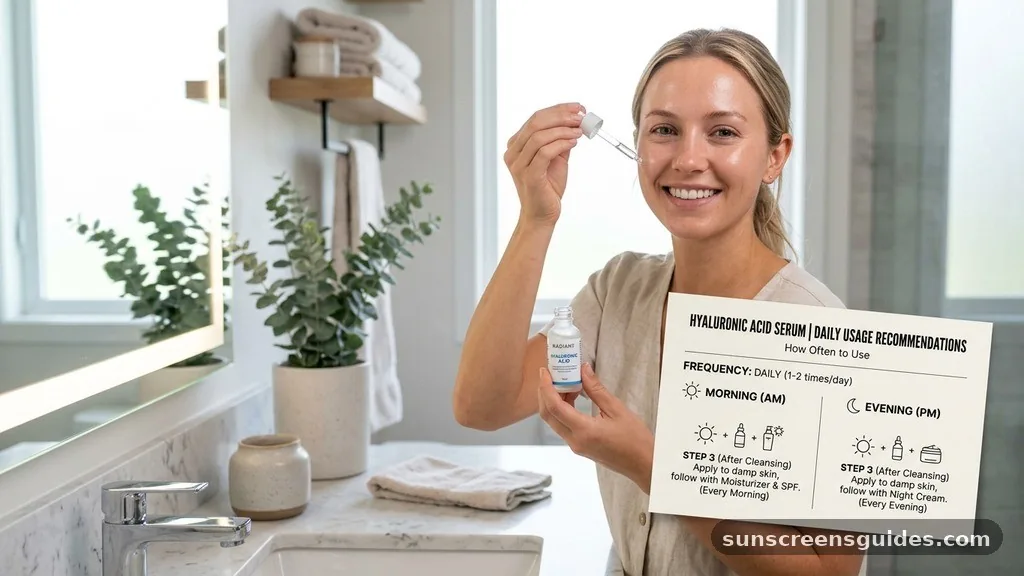
Determining how often to use hyaluronic acid serum is the key to achieving that coveted, dewy complexion without causing unwanted dryness. Because this powerful molecule acts like a sponge for your face, timing and application methods define whether you see plump, hydrated skin or experience tightness. While it is generally safe for daily use, the surrounding environment and your specific routine determine the optimal frequency for your unique needs.
Understanding the science behind this ingredient helps you integrate it effectively into your morning or evening regimen. By following a few simple rules about moisture levels and layering, you can ensure your skin drinks up the benefits every single day.
Daily Integration and Frequency Recommendations
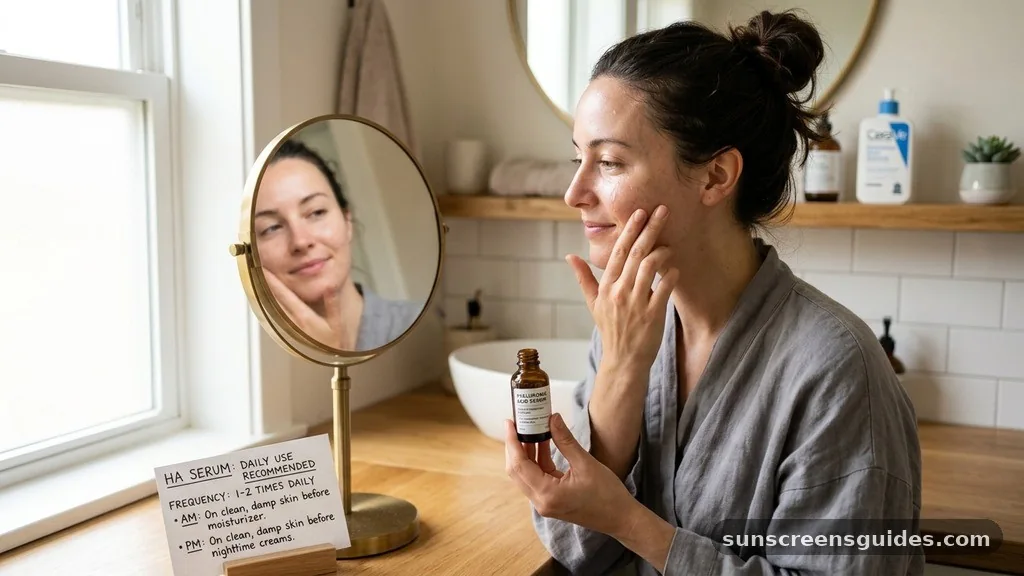
You can safely incorporate a high-quality serum into your morning and evening routines without fear of over-application. Most dermatologists agree that using this humectant twice daily is the gold standard for maintaining consistent hydration levels.
Because your skin naturally loses moisture through transepidermal water loss, applying a replenishing product regularly helps counteract the drying effects of indoor heating, air conditioning, and environmental pollutants. The goal is to keep the dermis saturated, allowing the cells to remain plump and resilient against external stressors.
When deciding how often to use hyaluronic acid serum, consider your local climate and your indoor environment. In humid areas, the molecule can draw moisture directly from the air, making twice-daily application highly effective. However, in extremely arid or dry winter conditions, using it too frequently without an occlusive layer can sometimes lead to the opposite effect.
If you feel your skin tightening after application, it is likely pulling moisture out of your deeper skin layers rather than the air. Adjusting your frequency or simply ensuring you seal the serum with a moisturizer will resolve this issue quickly.
The Importance of Application on Damp Skin
The secret to success lies not just in how often you apply the product, but in the state of your skin when you do it. Applying the serum to damp skin is non-negotiable for anyone seeking real results.
Because the molecule is designed to bind to water, starting with a moist surface provides an immediate reservoir for the serum to grab onto. This simple step prevents the product from pulling water away from your internal tissues, which is a common cause of the dreaded post-application “dryness” that some users report.
Many people find that spritzing the face with a light thermal water spray or simply leaving the skin slightly wet after cleansing creates the perfect canvas. By trapping that surface water, you enable the sodium hyaluronate to perform at its peak. If you are prone to sensitivity, this method also helps the product absorb more evenly, reducing the risk of temporary redness or irritation.
Once the serum is applied to this damp surface, follow up promptly with your favorite moisturizer to lock everything in. This layering technique is the foundation of a healthy skin barrier and long-term dermal health.
Strategic Layering with Other Actives
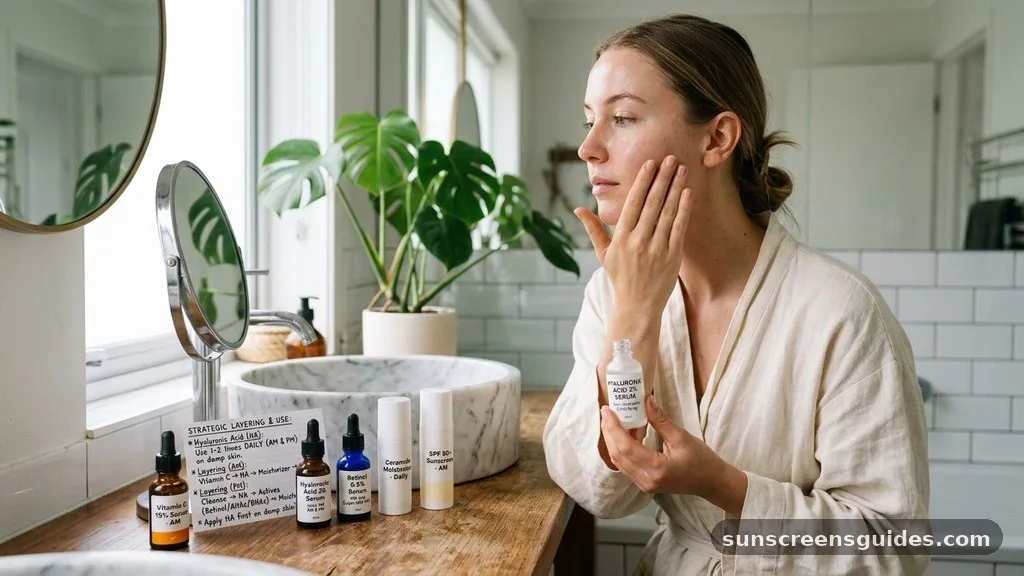
A major part of optimizing your routine involves understanding how this serum interacts with your other skincare staples. You should generally apply your products in order of consistency, starting from the thinnest aqueous phase and moving toward thicker, oil-based formulas.
Hyaluronic acid fits perfectly into the early stages of your routine, serving as a base that prepares the skin for more potent ingredients. Because it is gentle and soothing, it acts as a buffer for more aggressive treatments like retinol or exfoliating acids.
The following table outlines how to layer common ingredients effectively:
| Ingredient | Optimal Order | Why? |
|---|---|---|
| Cleanser | First | Removes debris and prepares the surface |
| Hyaluronic Acid | Second | Provides base hydration on damp skin |
| Vitamin C | Third | Works well on top of hydrated skin |
| Niacinamide | Fourth | Balances texture and strengthens the barrier |
| Moisturizer/Occlusive | Fifth | Seals everything in to prevent evaporation |
When using niacinamide or vitamin c, applying your hydrating serum first can actually improve the tolerance of these active ingredients. Many users find that pairing these products creates a synergistic effect, where the hydration minimizes the potential for stinging or flaking associated with stronger actives.
Just remember to allow each layer to settle for a few seconds before moving to the next. This patience prevents pilling and ensures that every drop of product is fully absorbed by the skin.
Addressing Topical Gaps and Common Misconceptions
A frequently overlooked aspect of this ingredient is the role of molecular weight. Many products claim to offer superior results by blending different sizes of molecules, allowing for both surface-level hydration and deeper penetration.
If you find that your chosen serum isn’t providing the expected “plumpness,” the issue might not be the frequency of use, but rather the formulation itself. Choosing a serum with a multi-molecular blend often yields better results than one containing only large-molecule versions, which may just sit on the skin surface.
Another common gap in knowledge is the relationship between hyaluronic acid and ceramides. While the serum provides the water, ceramides are the “mortar” that holds your skin cells together. If your barrier is damaged, simply adding water won’t fix the underlying structural weakness.
Using a moisturizer rich in ceramides alongside your serum is essentially mandatory for those with dry or compromised skin. Without this lipid-based support, the water you provide will escape regardless of how often you use the serum.
* Always perform a patch testing protocol if you are trying a new serum for the first time.
* Avoid applying too much product; a few drops are sufficient to cover the face and neck.
* Look for ingredient lists that prioritize stability and minimal fragrances to avoid irritation.
* Store your serum in a cool, dark place to maintain the integrity of the active molecules.
* If you live in a very dry climate, use a humidifier in your bedroom to boost the efficacy of your skincare.
Concluding Thoughts on Consistent Hydration
Mastering the frequency of your serum usage is a journey of observing how your face reacts to different environments and layering combinations. Whether you decide to use it once a day or twice, the most important factor remains the consistency of your application and the presence of a hydrating environment. By prioritizing damp skin application and sealing the product with effective occlusives, you turn a simple serum into a vital tool for long-term skin health.
Remember that even the best products require time to show cumulative results, so remain patient as you fine-tune your routine. If you ever find your skin feeling less than supple, check your moisture seals or increase your water intake. Feel free to reach out with any questions about your specific skin type or how to adjust your regimen during seasonal shifts.
Can I use hyaluronic acid serum every day?
Yes, it is perfectly safe and highly recommended to use it daily, ideally twice for best results.
Which is better for older skin, retinol or hyaluronic acid?
They serve different purposes; use retinol for anti-aging and hyaluronic acid for hydration, ideally in tandem.
What not to mix with hyaluronic acid serum?
It is generally compatible with almost everything, though you should avoid mixing it with overly drying alcohols.
Is there a downside to using hyaluronic acid?
The only potential downside is dryness if used in very arid climates without an occlusive moisturizer afterward.
Does molecular weight really matter in serums?
Yes, lower molecular weights penetrate deeper, while higher weights provide essential surface-level moisture and smoothing benefits.
Can I apply it over my vitamin C serum?
Usually, it is better to apply the serum first to damp skin, then follow with vitamin C afterwards.
Do I need to wait for it to dry completely?
No, you do not need to wait for it to dry; applying your next layer while damp helps lock moisture.



