

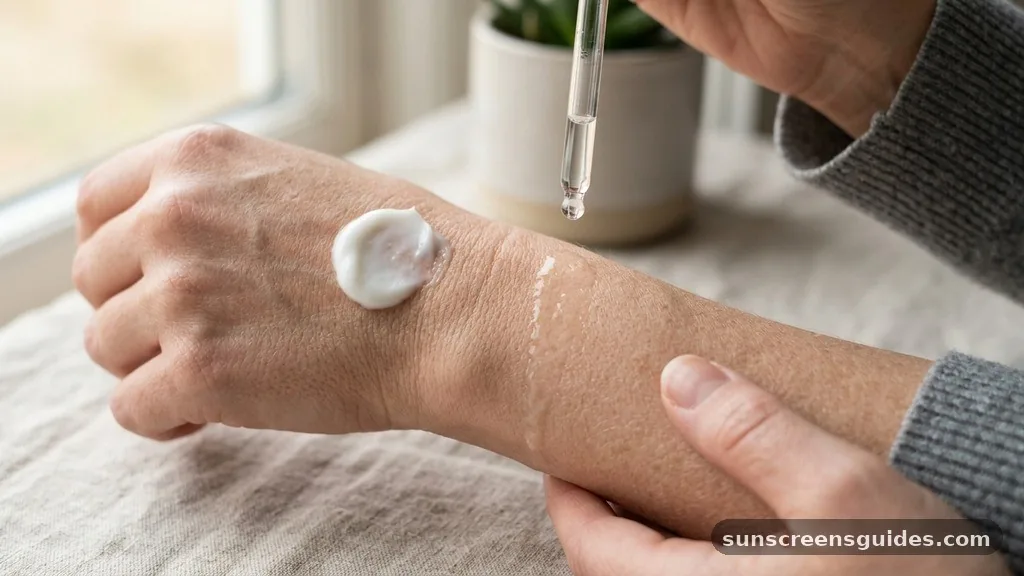
When you look at a shelf full of skincare products, it is easy to feel overwhelmed by the sheer variety of bottles and jars. Understanding what a skin serum actually is can help you cut through the marketing noise and build a routine that truly delivers results.
Unlike thicker creams, a serum is a lightweight, potent formula designed to penetrate the surface of your skin to address specific issues. Whether you are dealing with dullness, fine lines, or dehydration, learning how to incorporate these treatments effectively will change how your complexion looks and feels over time.
Defining the Function of Skin Serums
At its core, a skin serum is a liquid-based skincare treatment that contains a high concentration of active ingredients. While a standard moisturizer is designed to seal in hydration and protect the surface, a serum is formulated with a smaller molecular weight to reach deeper layers of the epidermis. Because these formulas are often water-based, they absorb quickly without leaving behind a greasy residue.
Think of a serum as the “treatment” phase of your routine. While cleansers remove dirt and moisturizers lock in moisture, serums act as the heavy lifters that target specific skin concerns. By using a specialized serum, you are delivering a concentrated dose of powerful compounds directly to where they are needed most.
The Science Behind Targeted Delivery
The effectiveness of any skincare product relies on its ability to bypass the skin’s natural defenses. Because serums are engineered for high-performance topical application, they rely on specialized delivery systems that allow them to penetrate more efficiently than heavier lotions.
Lower Molecular Weight and Absorption

The primary reason serums work so well is their molecular weight. Larger molecules found in heavy creams often sit on the surface of the skin, which is excellent for creating a protective barrier but poor for deep-tissue treatment.
Serums feature smaller molecules that travel past the initial layer of skin cells. This allows potent substances like retinol or vitamin C to interact with skin cells at a more fundamental level, encouraging cellular turnover or brightening the complexion from within.
Addressing Trans-Epidermal Water Loss
One of the most common issues in dermatology is trans-epidermal water loss, where moisture evaporates from the skin throughout the day. Serums, particularly those containing hyaluronic acid, help mitigate this by pulling moisture into the skin’s structure.
By holding water molecules against the skin, they keep the complexion plump and hydrated. However, because serums are not typically occlusive, they must be paired with a traditional moisturizer to seal that hydration in and prevent it from evaporating away.
Distinguishing Between Serums and Moisturizers
Many people ask about the difference between a serum and a moisturizer, assuming they perform the same function. The truth is that they play complementary roles in your daily regimen.
A moisturizer provides the essential fats and waxes—emollients and occlusives—that repair and maintain the skin barrier. A serum, conversely, is a targeted delivery vehicle for specific actives.
| Feature | Skin Serum | Moisturizer |
|---|---|---|
| Primary Goal | Target specific concerns | Hydration and protection |
| Texture | Lightweight, thin, watery | Creamy, thick, rich |
| Absorption | Rapid, penetrates deep | Slower, sits on the surface |
| Application | Before moisturizer | After serum |
Key Active Ingredients Found in Serums
Because serums are designed to address particular skin issues, the ingredients inside them are often quite potent. Familiarizing yourself with these common compounds can help you choose the right product for your unique needs.
- Vitamin C: A powerful antioxidant that helps brighten the skin, reduce the appearance of dark spots, and protect against environmental stressors.
- Hyaluronic Acid: A humectant capable of holding a thousand times its weight in water, making it the gold standard for deep hydration.
- Retinol: A form of Vitamin A that accelerates cell turnover, making it incredibly effective for anti-aging and smoothing skin texture.
- Niacinamide: A versatile form of Vitamin B3 that helps regulate oil production, calm redness, and improve the appearance of enlarged pores.
Common Misconceptions and Knowledge Gaps
There is a lot of misinformation regarding how and when to use these products. Many users wonder if they are strictly necessary or if they can replace other steps in their routine. The truth is that while not everyone requires a complex ten-step regimen, a high-quality serum can significantly enhance the results of even a basic routine.
Addressing Topical Application Frequency

A common question is whether you should apply a serum every day. Most serums, especially those containing antioxidants like Vitamin C, are highly beneficial when used consistently as part of a morning ritual.
Others, like those containing strong acids or high-strength retinol, may be better suited for evening use to avoid sun sensitivity. Always check the label for non-comedogenic ratings if you have acne-prone skin, as this ensures the product will not clog your pores or lead to breakouts.
Is It Necessary to Use Both?
People often ask, “Do I need both serum and moisturizer?” The answer depends on your skin type and current condition. If you have extremely oily skin, you might find that a lightweight, hydrating serum is enough to keep your complexion balanced without the need for a heavy cream.
However, most skin types benefit from the combination. The serum provides the intensive treatment, while the moisturizer provides the seal that keeps your skin resilient against external pollutants and dryness.
Selecting the Right Serum for Your Skin Type
Choosing a serum shouldn’t be a guessing game. By focusing on your primary skin goals, you can narrow down the vast selection available on the market today.
For Dry or Dehydrated Skin
Focus on products that emphasize hydration. Ingredients like hyaluronic acid, glycerin, and ceramides are your best friends. These substances work to draw moisture into the skin and keep it there, preventing that tight, uncomfortable feeling that often follows washing your face.
For Dullness and Uneven Tone
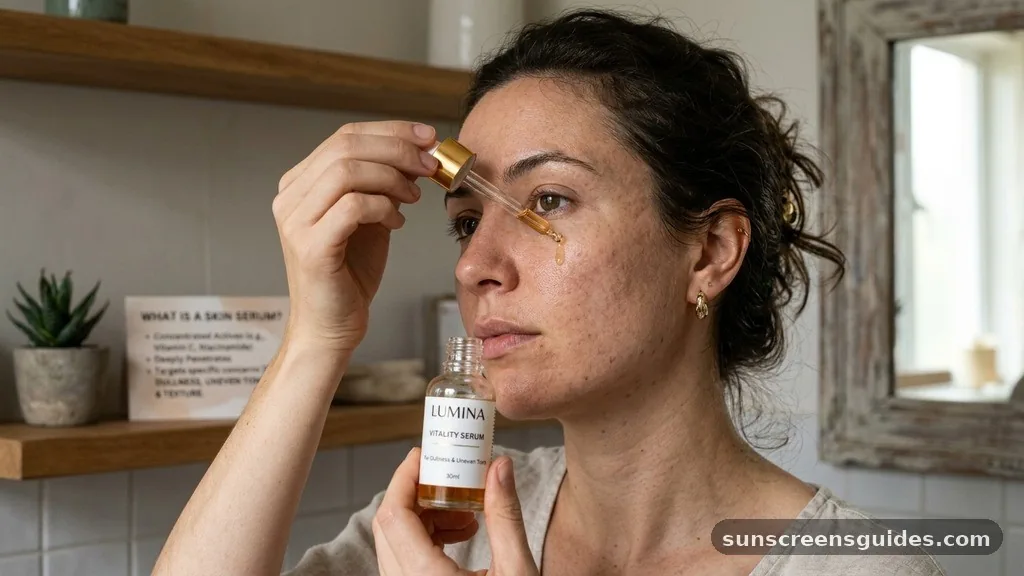
If you are struggling with a lackluster complexion, look for serums containing brightening agents. Vitamin C is the industry standard for this, as it fades dark spots and promotes a more radiant, even-toned appearance. Incorporating these into your morning routine also provides a boost of defense against free radicals encountered throughout the day.
For Aging and Texture Issues
When your goal is to smooth fine lines and improve overall firmness, look toward retinol or peptide-based serums. These work by stimulating collagen production and encouraging the skin to shed dead cells more efficiently. It is important to start slowly with these potent ingredients, as they can cause mild irritation if introduced too quickly into your routine.
Establishing a Consistent Routine
Consistency is the secret ingredient to any successful skincare regimen. Even the most expensive serum won’t work miracles overnight; the skin needs time to cycle through its natural renewal process, which usually takes about four to six weeks.
Apply your serum to clean, slightly damp skin after cleansing but before applying heavier creams. Using the “thinnest to thickest” rule of thumb helps ensure your products absorb correctly.
Because serums are so thin, they need to go on first so they can penetrate the skin without having to fight through layers of thick cream or oil. Gently pat the product into your face and neck rather than rubbing it in aggressively; this helps with absorption and is much kinder to the delicate tissues of your face.
Summary and Next Steps
Understanding what a skin serum is helps you take control of your beauty regimen. By focusing on targeted, high-performance ingredients, you can address specific issues like dehydration, uneven tone, or signs of aging far more effectively than you could with a cleanser or cream alone. Remember that these products are designed to be a team player in your routine, working alongside your moisturizer to keep your complexion healthy, balanced, and radiant.
Start by identifying one primary concern you want to tackle, such as dryness or dullness, and select a product that features the appropriate active ingredients. Apply it consistently as part of your daily routine, and don’t forget to follow up with a moisturizer to lock in those benefits.
As your skin adapts, you will likely see a noticeable improvement in its overall texture and brightness. If you are ever unsure about a new ingredient, consider starting with a patch test to ensure your skin reacts well before applying it to your entire face.
What is the main benefit of using a serum?
Serums deliver concentrated active ingredients directly into the skin to target specific concerns like aging or dehydration.
Can I use a serum instead of a moisturizer?
Generally, no. Serums treat, while moisturizers protect and seal the skin barrier to prevent water loss.
When should I apply a serum in my routine?
Apply your serum after cleansing your face and before applying your heavier moisturizer or sunscreen.
Is it safe to use a face serum every day?
Yes, most serums are formulated for daily use, provided they do not cause irritation to your skin.
Does a serum help with acne-prone skin?
Yes, look for non-comedogenic formulas with ingredients like niacinamide to help manage oil and soothe inflammation.
How long does it take to see results?
Most skincare changes require about four to six weeks of consistent use to show visible, lasting improvements.
What is the best way to apply a serum?
Gently pat a few drops onto clean, slightly damp skin until fully absorbed, then follow with your moisturizer.



